Early Reading and Phonics
Phonics gives pupils the tools to decode, read and spell confidently, building strong reading and writing skills from the very start.
Phonics at Croyland
Phonics is the foundation of reading and writing. It helps children decode words, develop fluency and gain confidence as readers. A strong phonics education enables children to enjoy stories, communicate effectively, and succeed across the curriculum.
The national curriculum for early reading and phonics aims to ensure that all pupils:
- Recognise and use sounds (phonemes) and letters (graphemes) to read and spell words accurately.
- Develop fluency by blending sounds to read words quickly and confidently.
- Build comprehension by understanding the meaning of the words they read.
- Apply phonics skills in reading and writing across different subjects.
At Croyland Primary School, we follow the Read Write Inc. phonics programme (RWI) which provides a structures and systematic approach to teaching phonics. Children in EYFS have a daily phonics session of 20 minutes, increasing to 45 minutes by the end of the year. In KS1, children continue to receive 45 minutes of daily phonics teaching until they have completed the RWI programme, ensuring they develop strong reading and writing skills.
During phonics lessons, children will learn sounds, how to blend them into words and then how to read the words in a story.
First, children will learn to read:
Set 1 Speed Sounds: these are sound written with one letter m a s d t i n p g o c k u b f e l h r j v y w z x and sounds written with two letters (we call these ‘special friends’) sh qu th ng ch nk ck

Children learn to say the sounds and blend them using ‘Fred Talk’, e.g. s-i-t = sit, c-a-t = cat, g-o-t = got, w-e-b = web etc. They will read Blending books > Ditty sheets > Red storybooks Second, children will learn to read:
Set 2 sounds: ay ee igh ow oo oo ar or air ir ou oy
Read words accurately containing these sounds e.g. light, snow, chair, twirl. They will read Green > Purple > Pink storybooks. Third, children will learn to read:
Set 3 sounds: ea, oi, a-e, i-e, u-e, aw, are, ur, er, ow, ai, oa, ew, ire, ear, ure
Read words accurately containing these sounds e.g. break, smile, throw, fire etc. They will read Orange > Yellow > Blue > Grey Storybooks.
Phonics Groups
Children progress through RWI in small groups, receiving support matched to their stage of learning. They progress through the coloured groups in order.
|
A |
B |
C |
Ditty Sheets |
Red Stories |
Green Stories |
Purple Stories |
Pink Stories |
Orange Stories |
Yellow Stories |
Blue Stories |
Grey Stories |
Parents/carers receive letters on Edulink when their child moves to the next group, with guidance on supporting learning at home.
Watch Virtual Classroom Videos
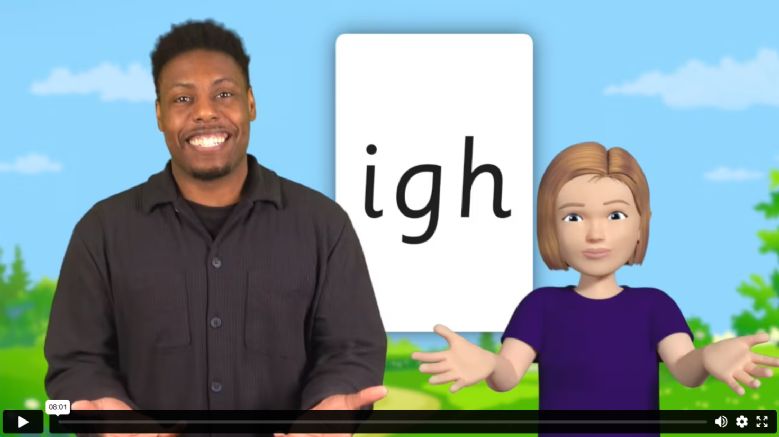
Weekly emails provide video links showing which sounds children were learning that week. Watching and joining in at home is fun and helps children practise and remember their sounds.
Extra Practise
In EYFS, children who receive extra teaching may bring home a sticker with a QR code to watch a linked video for additional practise.

In Years 1 to 4, children needing extra support receive an intervention letter from the reading lead. They may also bring home a QR code sticker for practising sounds. Before the intervention concludes, a written report is shared to inform of the progress made.
Short, regular practise makes a big difference in helping children remember and use their phonics skills.
Reading Books – What books will be brought home?
Children only bring home books they can read, to set them up for success. Each book is read at least three time at school with a partner to improve accuracy, fluency, understanding and confidence. After practising in class, children bring the same book home to read, reinforcing their skills and enjoying the story. Books are collected and changed every Monday by the phonics group lead.
The more your child reads, both at school and at home, the faster their reading skills will improve.
How can I help at home?
- Read to your child every day
- Listen to your child read the same book again and again
- Encourage them to pause and think, using ‘Fred in their head’ to read an initially unfamiliar word. If they are still unsure, encourage them to sound it out using ‘Fred Talk’.
- Discuss the story and encourage your child to use their storyteller voice
- Record their reading in their school Reading Journal
- Watch Virtual Classroom videos together for extra practise.
You can also find further information at the Read Write Inc Parent Information Website such as pronunciation videos, how to support your children with reading etc.
By combining high-quality teaching, structured practice, and home support, our phonics programme helps every child become a confident, enthusiastic reader.